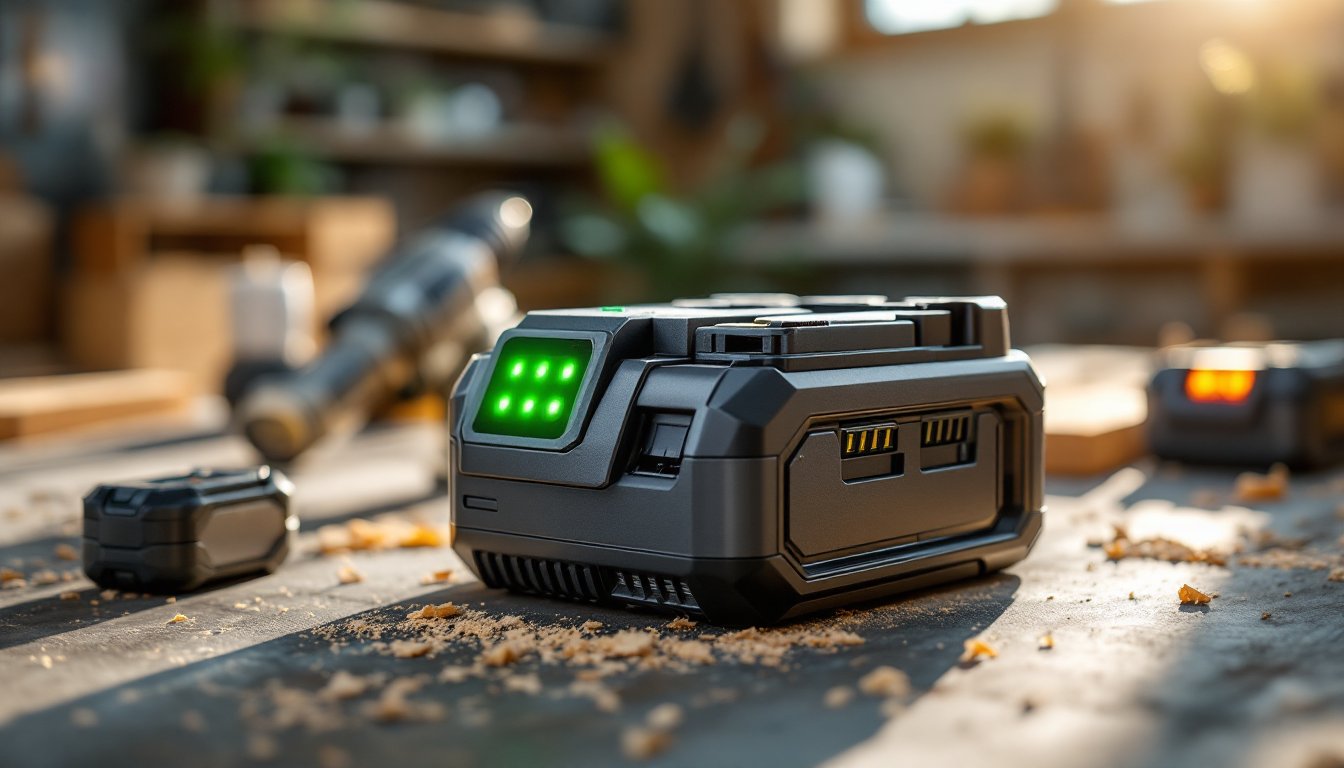
Anyone who’s ever watched a drill sputter to a halt mid-project knows that battery performance makes or breaks cordless tools. In 2026, power tool batteries have become far more sophisticated, faster charging, longer runtimes, and smarter chemistry mean buyers have real choices to make. Whether someone’s upgrading an old set or building their first collection, understanding battery types, voltage, and ecosystem compatibility can save both money and frustration down the road. This guide cuts through marketing jargon and covers what actually matters when shopping for power tool batteries.
Table of Contents
ToggleKey Takeaways
- Lithium-ion batteries for power tools dominate the DIY market because they hold charge longer, have no memory effect, and deliver more power in a smaller, lighter package than older NiCd or NiMH options.
- Three critical battery specifications—voltage (V), amp-hours (Ah), and watt-hours (Wh)—determine your tool’s performance, with voltage affecting motor speed and torque while amp-hours directly impact runtime between charges.
- Each major power tool brand uses proprietary connectors and protocols; building your tool ecosystem with one brand saves money, confusion, and ensures battery and charger interchangeability.
- Fast chargers can bring a 4.0 Ah battery from zero to full in 30–45 minutes, but rotating two or three batteries eliminates downtime by keeping one charged, one in use, and one resting.
- Cold weather below 32°F significantly reduces lithium-ion battery performance and can cause permanent damage if charging occurs while frozen; keep batteries indoors until ready to use in winter.
- Genuine manufacturer batteries cost more than third-party clones but include a battery management system (BMS) that prevents overcharging and failure, making them safer and longer-lasting investments.
Understanding Battery Types and Chemistry
Lithium-ion dominates the DIY market, but it’s worth knowing what else exists, and why it won. Older nickel-cadmium (NiCd) batteries held a charge longer when idle and handled cold better, but they suffered from “memory effect,” where partial recharges degraded capacity over time. Nickel-metal hydride (NiMH) batteries were the next step, eliminating memory effect but still losing charge in storage and delivering lower power density than modern options.
Lithium-ion (Li-ion) changed everything. These batteries hold charge longer when stored, have no memory effect, weigh less, and pack more energy into a smaller footprint. They’re why a modern compact drill can match the power of a corded tool from ten years ago. The tradeoff: lithium-ion is pricier upfront and more sensitive to temperature extremes. Most DIY lithium-ion packs use 18650 or 21700 cells (the nominal diameter in millimeters) wired in series or parallel to hit target voltage and amp-hour ratings.
For DIYers, lithium-ion is the only practical choice today. Anything else is either obsolete or niche, and used equipment from older chemistries often costs more to replace than it’s worth.
Key Specifications to Compare Before Buying
Three numbers define a battery: voltage (V), amp-hours (Ah), and watt-hours (Wh). Voltage determines the motor’s top speed and torque ceiling. Amp-hours measure how much charge the battery holds, higher Ah means longer runtime between charges. Watt-hours (voltage × amp-hours) give the truest picture of total energy capacity.
Voltage and Runtime Performance
Consumer cordless tools typically come in 12V, 18V, 20V, and 40V nominal ratings (actual pack voltage is slightly higher when fully charged). A 12V drill works for light fastening and small holes in drywall: it’ll drain fast on tougher tasks. 18V and 20V systems (largely interchangeable, depending on brand) handle most household drilling, driving, and cutting without choking. 40V or higher enters the serious-duty territory, ideal for impact drivers, circular saws, and extended outdoor work.
Runtime depends on amp-hours and the tool’s current draw. A 2.0 Ah battery might deliver 20 minutes of continuous drilling in soft wood but only 8 minutes in hardwood or steel. A 5.0 Ah pack extends that proportionally, though battery weight and heat buildup become factors. Many DIYers buy two or three batteries in different capacities: a high-Ah pack for long sessions and a smaller one that charges faster for quick jobs.
Some manufacturers now offer smart batteries that communicate tool status, runtime estimates, and charge levels via Bluetooth to a phone app. Convenient, but not essential, a simple LED fuel gauge on the battery itself does the job.
Lithium-Ion Batteries: The Modern Standard
Modern lithium-ion packs include a battery management system (BMS), a circuit board that prevents overcharging, balances cell voltage, and monitors temperature. Without it, lithium-ion cells can swell, catch fire, or fail suddenly. This is why genuine manufacturer batteries cost more than third-party clones, and why buying from reputable brands matters.
Charging speed has improved dramatically. A quality fast charger can bring a 4.0 Ah pack from zero to full in 30–45 minutes, while a standard charger takes 90–120 minutes. Some newer systems support dual-bay chargers that run two batteries simultaneously, splitting available power. In a busy weekend project, having three batteries on rotation, one in use, one charging, one resting, eliminates downtime.
Cold weather is lithium-ion’s weak spot. Performance drops significantly below 32°F (0°C): charging below freezing can cause permanent damage. If working outdoors in winter, keep batteries indoors until you’re ready to use them, and swap in fresh ones frequently.
Build quality varies widely. Premium packs include reinforced connectors, better insulation, and tighter BMS calibration. Budget packs work fine for occasional use but may degrade faster or deliver inconsistent power under load. Mid-range batteries from established brands, DeWalt, Makita, Metabo, Festool, represent the best value for most DIYers.
Battery Compatibility and Ecosystem Considerations
This is critical: a 20V Milwaukee battery will not fit a DeWalt 20V drill, even though both are nominally 20V. Each major brand uses proprietary connectors and protocols. Before buying a second tool or extra battery, confirm it uses the same platform.
Some brands offer cross-system adapters or newer tools with backward compatibility, but don’t rely on it. Check the product specs carefully. If a household already owns one brand, building out with the same ecosystem saves money and confusion, one charger powers everything, batteries are interchangeable, and you can move batteries between tools freely.
Battery cost varies significantly by capacity and brand. A genuine 5.0 Ah pack ranges from $60 to $150 depending on the platform. Third-party batteries (Powex, Waitley, and others) are often 30–40% cheaper but with mixed longevity reports. The safest bet: buy genuine batteries where possible, watch for sales during spring and holiday seasons, and consider buying in bundles with chargers for better per-battery cost. If working on a tight budget, start with one basic 2.0 Ah battery to learn your needs, then expand later with proven models.
Maintenance Tips for Extended Battery Life
Lithium-ion batteries degrade with every charge cycle. Typical lifespan is 300–500 full discharge cycles, though many remain useful beyond that at reduced capacity. A few practices extend this:
Storage: Keep batteries at roughly 50% charge in a cool, dry place (65–75°F ideal). A battery left fully charged on a shelf loses capacity faster than one stored half-charged. If storing for months, top up the charge every three months.
Charging: Avoid leaving batteries on the charger overnight repeatedly. Once charged, remove them. Modern chargers have trickle-charge circuits, but they still generate heat.
Temperature control: Keep batteries away from direct heat and extreme cold. Never charge a hot battery fresh off a tool, let it cool 10–15 minutes first. Overheating causes electrolyte breakdown and swelling.
Physical care: Don’t drop batteries or expose contacts to moisture. Corroded connectors reduce power transfer and can trigger cutoff circuits in the tool.
When a battery stops holding charge adequately, replace it rather than trying to refurbish it at home. Newer packs often cost less than third-party rebuild services and come with warranty protection.
Conclusion
Choosing the right power tool battery comes down to matching voltage and capacity to the job, building a compatible ecosystem, and respecting the chemistry’s limitations. Lithium-ion is the clear winner for DIY work, no memory effect, proven reliability, and genuine improvements year over year. Spend a bit more upfront on reputable batteries and a solid charger, care for them properly, and they’ll outlast the tools themselves. That’s an investment that pays for itself in projects completed without mysterious power losses mid-job.