German hand tools have earned a reputation for exceptional durability and precision that translates directly to cleaner cuts, faster projects, and fewer frustrations. Whether someone’s hanging drywall or building a deck, the right tool makes the difference between amateur hour and professional results. German manufacturers have spent generations perfecting their craft, combining rigorous engineering standards with materials that withstand years of hard use. For DIYers ready to move beyond bargain-bin options, investing in German hand tools isn’t just about prestige, it’s about reliability on the job site. This guide walks through the standout tools that earn their place in any serious workshop.
Table of Contents
ToggleKey Takeaways
- German hand tools excel through precision engineering and superior material composition that provide durability and reliability far exceeding budget alternatives.
- Essential German hand tools for any DIY workshop include quality hammers, screwdrivers with solid bit sockets, pliers with smooth action, and adjustable wrenches that won’t round bolt heads.
- A quality German hand tool investment drops to less than $0.20 per use over five years, offering better long-term value than repeatedly replacing cheaper tools.
- German hand tools prevent costly mistakes like stripped screws, gouged trim, and rounded bolts by maintaining precision across thousands of uses.
- Build your German hand tool collection strategically by prioritizing high-use items like hammers and screwdrivers first, then upgrading specialty tools as your budget and projects expand.
What Makes German Hand Tools Stand Out
German engineering prioritizes tolerances and material consistency in ways that budget tools simply don’t match. When a wrench is sized for a bolt head, it fits snugly without slop, no rounded corners from repeated misuse. This precision stems from stringent DIN (Deutsches Institut für Normung) standards, Germany’s equivalent to ANSI specifications in the US, which govern everything from metal composition to surface finish.
The manufacturing approach also differs. German tool makers often use higher-grade steel alloys, typically with more carbon and chromium, that resist corrosion and hold an edge longer than softer metals. Heat-treating is done carefully to balance hardness with flex, so a tool won’t shatter under stress or bend permanently. A German chisel, for instance, can take thousands of taps with a mallet and still hold a razor edge, while cheaper alternatives dull after a few hundred strikes.
Durability translates to real savings over time. A quality German hand tool often outlasts three or four budget replacements, especially for tools used regularly. Many DIYers report owning German wrenches or screwdrivers inherited from parents or picked up decades ago that still perform flawlessly. This isn’t nostalgia, it’s the compound effect of superior material and manufacturing discipline. When a tool costs more upfront but functions reliably for twenty years, the per-use cost drops dramatically.
Essential German Hand Tools Every DIYer Should Own
Building a solid hand-tool foundation doesn’t require buying every specialty item. Focus on the workhorses: tools used across multiple project types. German manufacturers excel at these everyday items, where their precision and durability shine most.
Hammers and Mallets
A quality claw hammer is foundational. German brands like Bahco and Wiha offer models with forged-steel heads and ergonomic handles that reduce wrist strain during repetitive driving. Look for a 16-ounce model for general carpentry, it’s balanced enough for one-handed driving without tiring the arm on longer jobs. The head should be polished steel (not chrome-plated), so it doesn’t chip, and the claw should have a slight curve that grips nail heads without slipping.
Dead-blow mallets are underrated for DIY work. Use them when driving trim, seating joints, or adjusting framing without marring surfaces. A German mallet with a replaceable polymer head and hardwood handle costs more than a cheap one but won’t flatten or compress, which means the strike stays consistent. This matters when you’re aligning cabinet faces or fitting mortise joints.
Screwdrivers and Bit Sets
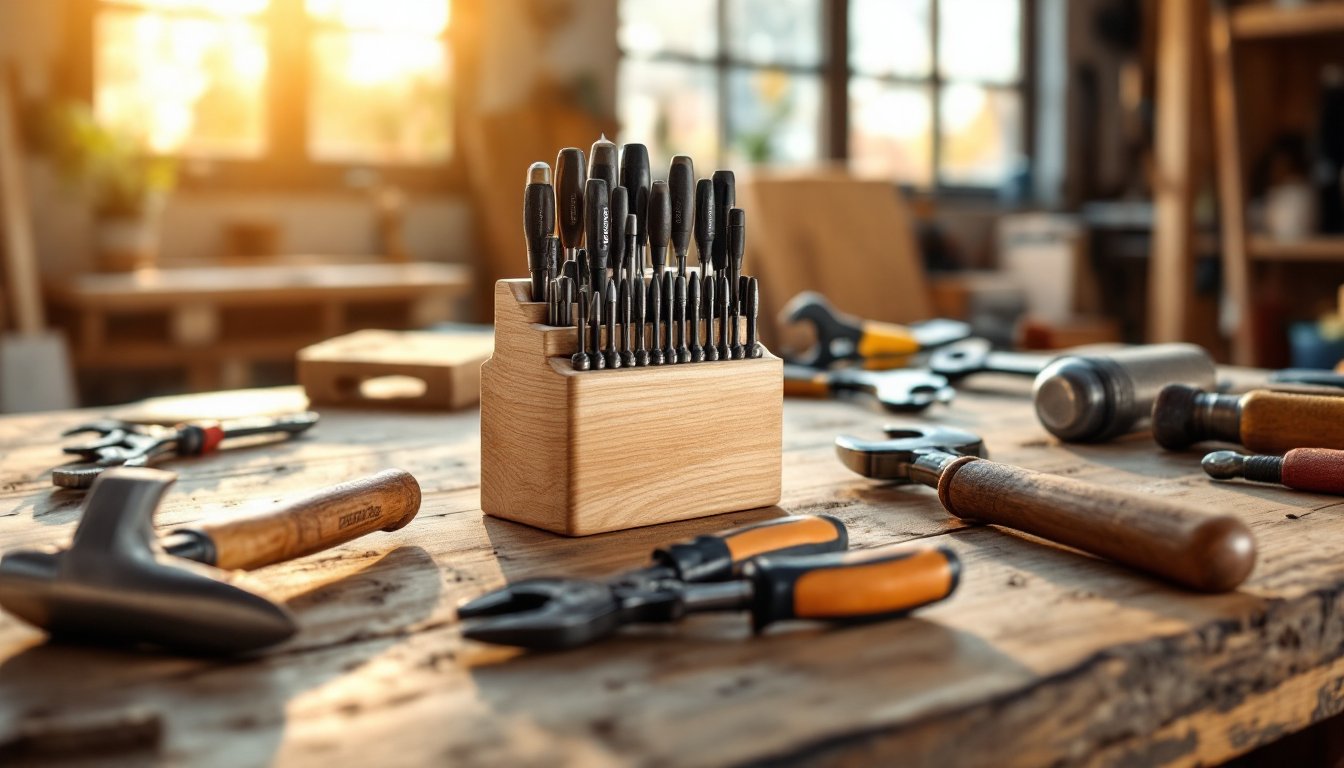
Skip the multibit Swiss-Army-knife screwdriver with eight tiny bits crammed into a plastic handle. Instead, grab a German offset or ratchet screwdriver with individual bit sockets that feel solid in hand. Brands like Felo and Wera make bits that sit flush in screw heads, no cam-out, no stripped screws. The handle should have a non-slip grip and enough length (usually 4–6 inches) to give leverage without being bulky.
For larger jobs, a bit set in a quality case is invaluable. Look for sets specifically sized for cabinet screws, structural screws, and trim work. German manufacturers typically include rare sizes like Pozidriv (PZ) and Robertson (square-drive) bits that save time when you’re not hunting through a pile of loose bits. Buy a smaller, focused set rather than a hundred bits you’ll never use, quality matters more than quantity.
Pliers and Wrenches
A needle-nose plier with smooth jaws and fine pivot action is essential for electrical work, bending wire, and reaching tight spots. German brands offer models with induction-hardened jaws that grip without slipping, critical when working with slippery materials like PEX tubing or electrical connectors.
Slip-joint pliers (the classic adjustable type) should come next. A German version grips with authority and doesn’t wiggle, the pivot pin is precisely fitted, and the jaw alignment stays true after thousands of cycles. Avoid cheap versions where the jaws shift or clack apart: they’re frustrating and dangerous when working with electrical or plumbing fittings.
Adjustable wrenches deserve attention too. A German wrench from brands like Knipex or Bahco has a worm-drive mechanism that adjusts smoothly without binding. The jaw moves true, no side wobble, so you can tighten or loosen bolts without rounding the flats. A 6-inch and 10-inch cover most residential work: don’t rely solely on adjustables for frequent use, but they’re handy for odd-sized fasteners or confined spaces.
Locking pliers (vise-grips) are worth the investment in a quality pair. German versions clamp hard and stay locked under pressure, essential when bending metal stock, holding workpieces, or temporarily securing assemblies. Look for smooth adjustment with a twist handle rather than a lever: it’s less likely to slip during use.
Investing in Quality: Cost vs. Long-Term Value
A German screwdriver costs $15–25 versus $3–5 for a budget alternative, a six-to-tenfold difference that stings upfront. But that budget driver strips screws, wears out in a few years, and requires replacement. The German version often outlasts a decade of regular use and maintains resale value because quality tools are sought after in used markets.
Calculate true cost per use. Someone doing regular DIY work might use a claw hammer 50–100 times per year. Over five years, that’s 250–500 swings. A $40 German hammer spread across that usage is $0.08–$0.16 per use. A $12 budget hammer might need replacing twice, bringing total cost to roughly equal, but the German tool will still be working perfectly at year six.
Quality tools also prevent collateral damage. A chisel that holds its edge won’t slip and gouge your trim. A wrench that fits snugly won’t round bolt heads, requiring time and frustration to extract. These “free” benefits, fewer mistakes, faster work, add up quickly for anyone doing more than casual projects.
That said, don’t buy every tool in German quality immediately. Start with high-use items: hammer, screwdrivers, and pliers. As budget allows, upgrade specialty tools. A German chiseling set might wait until you’re tackling mortise work: a precision level or square can come later. This staged approach spreads cost while building a genuinely useful workshop over time.
Conclusion
German hand tools represent a philosophy: invest in quality now, avoid frustration later. They’re not luxury items or status symbols, they’re functional tools engineered to work reliably across thousands of hours. For anyone serious about DIY, they’re worth the premium. Start small, choose tools for tasks on the immediate horizon, and watch how a good tool transforms your confidence and output on the job site.