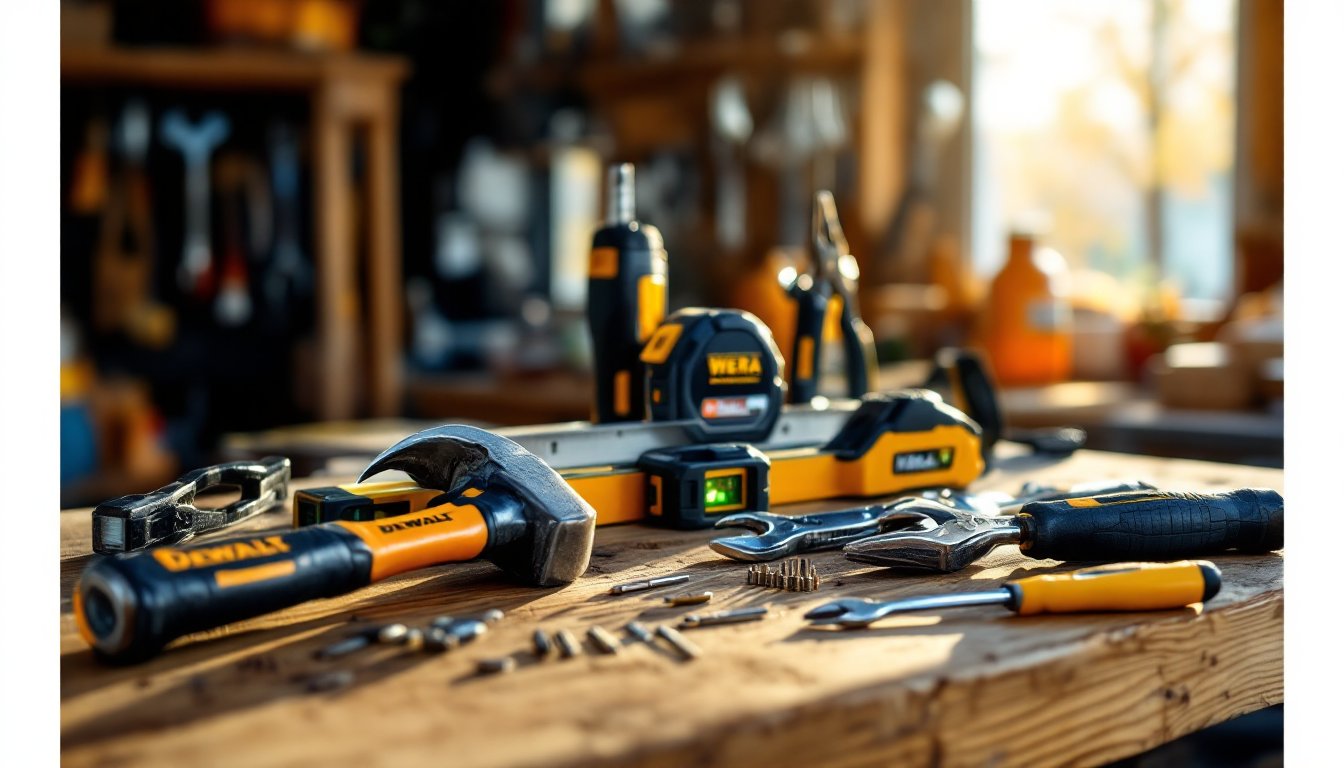
When someone grabs a hammer for the first time, they don’t think about the brand, they just want it to work. But after the tenth project, the difference between a hand tool that lasts and one that bends, breaks, or feels cheap in the hand becomes crystal clear. Choosing the right hand tools brand matters more than most DIYers realize. The right tools don’t just make a project easier: they build confidence, reduce frustration, and often save money over time because they don’t need replacing. Whether tackling a simple shelf installation or building a deck, the quality and reliability of hand tools directly affect both the outcome and the experience. This guide cuts through the noise to identify the best hand tools brands of 2026, examining what makes them trustworthy and how to match a brand to individual needs and budgets.
Table of Contents
ToggleKey Takeaways
- Investing in a quality hand tools brand improves durability, precision, and resale value while reducing long-term replacement costs compared to budget alternatives.
- Premium brands like DeWalt and Milwaukee offer superior durability and warranty support ideal for frequent users, while budget-friendly options from Craftsman, Kobalt, and Husky work well for occasional DIYers.
- Match your hand tools brand choice to frequency of use: professionals should prioritize durability, while occasional users can save money with budget-friendly brands.
- Different hand tools brands excel in specific categories—DeWalt dominates measurement and layout tools, while Wera specializes in precision screwdrivers—so research based on your actual project needs.
- Warranty, local availability, ergonomic fit, and safety certifications should influence your hand tools brand decision alongside budget and expected lifespan.
Why Choosing the Right Hand Tools Brand Matters
A cheap wrench might turn a bolt, but a quality wrench stays true and doesn’t round off fasteners. The difference lies in material composition, manufacturing precision, and quality control, factors that separate brands worth trusting from those that disappoint after a few uses.
Durability is the first reason. Premium hand tools brands use better steel, sharper blades, and tighter tolerances. A DeWalt or Milwaukee hammer won’t dent or warp after years of framing. A budget option might feel fine on day one but develop issues within months. Durability also means better resale value: serious tool collectors know that vintage quality brands hold their worth.
Precision matters too. A tape measure with a binding lock that doesn’t slip or a speed square with crisp edges makes measurements faster and more accurate. Over dozens of projects, those small improvements compound.
Finally, warranty and support matter. Established brands stand behind their tools. If a adjustable wrench breaks under normal use, reputable manufacturers often replace it. Cheaper brands usually don’t offer that safety net. For DIYers, knowing a tool has genuine backing builds confidence when tackling unfamiliar projects.
Top Hand Tools Brands Compared
Premium Quality Leaders
DeWalt remains a top-tier choice for hand tools, especially in layout and framing tools. Their tape measures, speed squares, and levels are industry standards. They’re not the cheapest, but they’re designed to survive job sites and home workshops alike. DeWalt tools are orange and black, recognizable, and widely available at major retailers.
Milwaukee competes strongly in the premium space. Known for durability and innovative designs, Milwaukee hand tools feel solid in the hand. Their hammers, pry bars, and magnetic levels are professional-grade without requiring a contractor’s budget. They tend to be slightly pricier than mid-range alternatives but worth it for frequent users.
Wera (German-made) specializes in screwdrivers and precision tools. If someone needs a screwdriver set that won’t slip, round off, or wear out, Wera is the gold standard. The precision fit is noticeable, hex bits seat perfectly. It’s specialized, not a complete tool line, but unmatched in its category.
Stanley has been around since 1843, and their quality varies by product line. Their FatMax line of hand tools, hammers, tape measures, and levels, offers excellent durability at a slightly lower price than DeWalt or Milwaukee. The brand’s history means reliability, though not all Stanley products are created equal.
Best Budget-Friendly Options
Craftsman (post-2018 version under Stanley Black & Decker) has improved significantly. Their hand tools offer solid performance without premium pricing. Tape measures and levels work well for occasional users and light projects. They’re available everywhere and carry a decent warranty.
Kobalt (Lowe’s house brand) provides reliable hand tools at accessible prices. For someone building a starter kit, Kobalt sets of wrenches, screwdrivers, and pliers deliver decent quality without overspending. They won’t match premium brands in durability, but they’re honest tools for homeowners.
Husky (Home Depot brand) similarly offers budget-friendly hand tools. Their claw hammers, adjustable wrenches, and levels are adequate for occasional projects. Like Kobalt, they’re not built for daily professional use but work fine for weekend projects and property maintenance.
The trade-off with budget brands is lifespan and precision. A Husky tape measure might slip occasionally, and a Kobalt hammer might show wear after heavy use. But for someone tackling 2–3 projects a year, they’re practical choices that won’t expensive.
Key Factors to Consider When Selecting a Brand
Frequency of Use: Professionals and serious hobbyists should invest in premium brands. Occasional users can save money with budget options. If someone’s tackling one deck this year, they don’t need Milwaukee premium tools. But if they’re doing electrical work, drywall, or framing regularly, the extra durability pays for itself.
Specific Tool Needs: Not all brands excel in all categories. DeWalt dominates layout and measurement tools, while Wera owns precision screwdrivers. When shopping, focus on brands strong in the tools needed most. If a project requires mostly chisels and saws, research those categories specifically rather than assuming one brand is best at everything.
Warranty and Support: Check what each brand covers. DeWalt and Milwaukee typically offer strong warranties with easy replacement processes. Budget brands may offer limited or conditional coverage. For tools that might fail mid-project, warranty matters.
Availability and Cost: Premium tools cost more upfront but often last twice as long. A $25 Stanley tape measure might need replacing in 5 years: a $35 DeWalt might last 10+. Calculate true cost-per-use over time. Also, availability matters, if a brand’s tools aren’t stocked locally or shipping costs are high, convenience factors in.
Personal Preferences: Weight, grip, and feel vary between brands. Some prefer the heft of a Milwaukee hammer: others find it tiring. Ergonomics are personal. When possible, hold tools before buying. A lighter Craftsman level might suit one person better than a heavier DeWalt, even if DeWalt is “objectively” more durable.
Safety and Certifications: Look for tools meeting relevant standards. Levels should meet NIST or equivalent: electrical testers should meet IEC standards. Reputable brands meet these benchmarks: cheap alternatives sometimes skip certifications that ensure user safety.
Conclusion
The best hand tools brand depends on individual use patterns, budget, and project scope. Premium brands like DeWalt, Milwaukee, and Wera justify their cost through durability and precision for serious DIYers. Budget-friendly options like Craftsman, Kobalt, and Husky work perfectly for occasional users and homeowners. Start with tools used most frequently, if someone’s buying a tape measure and hammer, invest in those two. Build a toolkit gradually, mixing brands if needed. Quality hand tools are long-term investments that compound in value through reliability and performance. Choose wisely, and the tools will serve reliably for years.