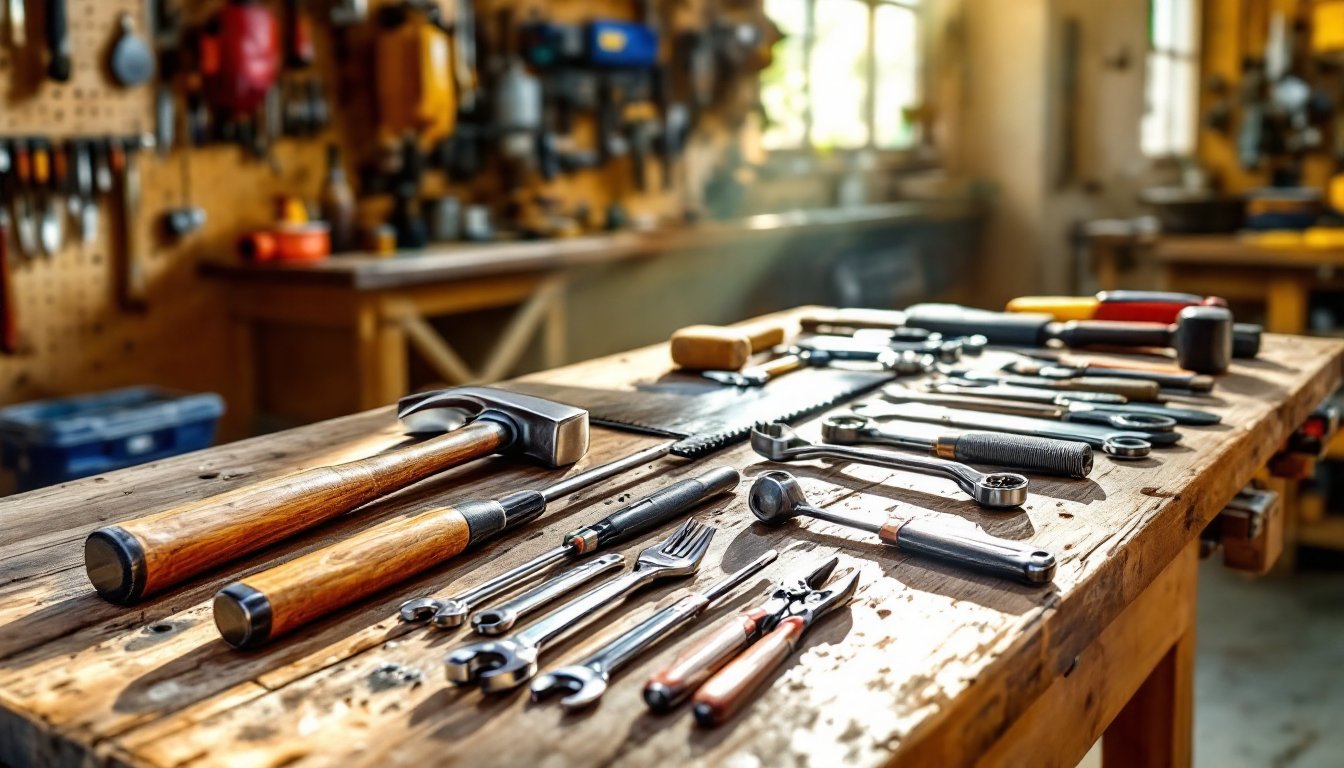
A homeowner standing in the tool aisle faces a bewildering choice: dozens of hammers, screwdrivers, and wrenches, each promising to be the “best.” The truth is that quality hand tools, the ones that survive years of storage and repeated use without slipping, breaking, or stripping fasteners, make the difference between a frustrating afternoon and a successful project. Whether someone’s building a deck, hanging drywall, or assembling furniture, the right hand tools save time, reduce mistakes, and deliver results that look professional. This guide reviews the best rated hand tools of 2026, highlighting options that balance durability, comfort, and value. Real performance matters more than price alone: a well-chosen set of hand tools becomes a lasting investment in any DIYer’s workshop.
Table of Contents
ToggleKey Takeaways
- Quality hand tools feature superior metallurgy, tighter tolerances, and ergonomic handles that reduce fatigue and prevent slipping, making them a lasting investment despite higher upfront costs.
- A well-rounded toolkit for most household projects includes a durable hammer, mixed screwdriver set, adjustable wrenches, a handsaw, and utility knife—no need to buy professional-grade tools for occasional use.
- Always match the correct driver size to fasteners and test tool grip and balance before purchasing to ensure comfort and prevent hand fatigue during extended use.
- Sharp, properly maintained cutting tools require less force and are significantly safer than dull blades, which are prone to slipping and causing injury.
- Top-rated hand tools from reputable brands like Estwing, Stiletto, Wiha, and Wera deliver consistent performance and durability that budget alternatives cannot match over years of repeated use.
Why Quality Hand Tools Matter
Cheap hand tools wear out quickly, frustrate users, and often cost more in the long run because they need replacing. A hammer with a loose head, a screwdriver with a bent tip, or pliers that slip on fasteners don’t just waste time, they can cause injuries or damage to the project itself.
Quality hand tools feature better metallurgy, tighter tolerances, and ergonomic handles that reduce hand fatigue. They hold their edge, grip fasteners securely, and maintain accuracy across thousands of uses. Investing in reputable brands pays dividends, especially for tools you’ll use frequently. A 16 oz. framing hammer from a trusted manufacturer may cost $30–40 more than a bargain bin model, but it’ll outlast three budget versions and swing more comfortably all day long.
Beyond durability, quality tools inspire confidence. When a driver bites cleanly into a screw or a wrench snaps onto a bolt without wobbling, the user knows the job is going to go smoothly. That reliability frees the mind to focus on technique and safety rather than compensating for poor tool performance.
Top-Rated Hammers and Mallets
The hammer is the quintessential hand tool, and selecting the right weight and balance matters more than most people realize.
Framing Hammers: A 16 oz. framing hammer is the standard for general carpentry, heavy enough for driving 3-inch nails without multiple swings, light enough that a typical adult won’t tire after hours of use. Brands like Estwing (known for one-piece construction that resists loosening) and Stiletto (with titanium heads) earn consistent praise for durability. Look for a smooth face for general nailing and a waffle or checkered face if you’ll be driving finish nails that might slide off.
Finishing Hammers: These lighter models (10–12 oz.) and smaller faces suit interior trim work and thin nails. They reduce the risk of overshooting and denting wood.
Mallets: For striking chisels, drifting tight-fitting parts, or tapping flooring without marring surfaces, a rubber or wood mallet is essential. A 2 lb. dead-blow mallet (filled with sand, not solid rubber) gives controlled, non-bouncing strikes that professionals prefer.
Always wear safety glasses when swinging a hammer: a missed strike or flying fastener can cause eye injuries. Test the grip balance before buying, a quality hammer should feel like an extension of the hand, not awkward or tiring after a few minutes of use.
Best Screwdrivers and Bit Sets
Modern screw drive styles, Phillips, square (Robertson), hex, and others, demand correct tools. Using the wrong driver size strips the drive head, ruins the fastener, and wastes time.
Premium Screwdriver Sets: Brands like Wiha and Wera produce screwdrivers with hardened tips that grip fasteners without slipping. Their handles are often cushioned, reducing hand strain on repetitive work. A basic set should include:
- Phillips (#1, #2, #3)
- Slotted (3/16″, 1/4″, 5/16″)
- Square (Robertson) for cabinet work
- Torx (T15, T20, T25) for modern electronics and appliances
Bit Drivers: A power drill with a clutch handles most fastening work faster than hand driving, but hand drivers (also called bit holders) let users set fasteners with feel and control. A model with a magnetic quick-change collar accepts standard 1/4″ hex bits, making it flexible and compact.
Impact Screwdrivers: If someone encounters heavily rusted or stripped fasteners, a manual impact driver (a hollow handle with a striking head) can help. It works like a hammer-assisted screw remover, often breaking corrosion without damaging the head.
Always match the driver size to the fastener. Using a slightly smaller or misaligned driver is how cross-threading and stripped heads happen. Take a moment to seat the driver fully before applying pressure.
High-Performance Wrenches and Pliers
Wrenches and pliers translate hand force into controlled fastening and gripping. Cheap versions slip off fasteners (called “rounding” the nut), leaving knuckles skinned and the job incomplete.
Adjustable Wrenches: A 10-inch adjustable wrench (Crescent wrench) is a versatile classic, but use it as a backup. For frequent fastening, fixed-size wrenches grip without slipping. A metric and SAE combination set (wrenches in 1/16″ increments) covers almost every household task. Brands like Craftsman and Stanley make durable, affordable options.
Locking Pliers: Vise-Grip locking pliers can clamp, grip, and hold with one hand, freeing the other for work. A **10-inch curved jaw” model is the workhorse for plumbing and mechanical tasks.
Needle-Nose and Tongue-and-Groove Pliers: Needle-nose pliers access tight spaces and bend wire: tongue-and-groove (arc-joint) pliers adjust to different jaw widths, making them ideal for pipe work and larger fasteners.
Slip-Joint Pliers: Traditional pliers with a pivot point that allows two jaw-spread settings. They’re lightweight and handy for light gripping and wire work.
When using any pliers, wear work gloves to protect hands from sharp edges or slipping tools. Always grip the handle near the hinge for maximum leverage, not near the tips. Never use pliers as a hammer or to pry, they’ll bend or crack.
Essential Cutting Tools and Saws
Cutting accuracy depends on sharp, properly supported tools. A dull saw produces rough cuts and requires excessive force, increasing the risk of slips and injuries.
Hand Saws: A 20-inch crosscut saw (with 8–10 teeth per inch) handles general carpentry, framing, trim, and finish work. A ripsaw cuts along the grain with larger, fewer teeth. For fine work like cabinetry, a Japanese pull saw (which cuts on the pull stroke, not the push) leaves an exceptionally clean edge. These saws are relatively inexpensive and stay sharp longer than Western-style push saws.
Coping Saws: These U-shaped frames with thin, replaceable blades cut curves in wood, metal, and plastic. Essential for interior trim work where pieces need to fit around molding or pipes.
Utility Knives: A retractable utility knife with heavy-duty blades scores drywall, cuts drywall, severs roofing material, and handles dozens of other tasks. Keep blades sharp, dull blades require excessive pressure and slip easily. Always cut away from the body and keep fingers behind the blade path.
Hacksaws: A 12-inch hacksaw cuts metal pipe, bolts, and rebar with a fine-tooth blade. Clamping the workpiece securely prevents it from spinning or the saw from binding.
All cutting tools should be stored blade-down or with guards attached. Inspect blades regularly, a bent or cracked tooth signals time for replacement. Dull tools are dangerous tools: a sharp blade requires less force and is less likely to slip.
How to Choose the Right Hand Tools for Your Needs
Selecting hand tools isn’t about buying the most expensive options, it’s about matching the tool to the task and the user’s comfort.
Start with frequency and task type: A homeowner who hangs one picture frame per year doesn’t need a professional-grade hammer set. But someone building a deck or renovating a bathroom uses hammers, screwdrivers, and wrenches daily and should invest accordingly.
Test the grip: Hand tools should feel balanced and natural. Heavy tools with thin handles cause fatigue: light tools with thick grips can feel clumsy. Spend a few minutes holding and pretending to use the tool before purchasing.
Buy quality where it counts: A budget power drill is acceptable if you’ll use it rarely: a hand tool used frequently should be durable. One high-quality hammer will outlast three cheap ones, so prioritize durability on tools you’ll reach for repeatedly.
Recognize specialized vs. multi-use: A professional framing carpenter needs dedicated tools, but a homeowner benefits from versatile options, an adjustable wrench covers multiple sizes, and a multi-bit driver reduces clutter.
Read reviews from real users: Online ratings highlight durability issues, uncomfortable grips, or premature failure that reviews from the manufacturer won’t mention. Look for comments about long-term use and how the tool holds up after years of storage and repeated work.
Build a core toolkit gradually. A strong foundation, one good hammer, a mixed screwdriver set, a few wrenches, a handsaw, and utility knife, handles 80% of household projects. Add specialized tools as needed.
Conclusion
The best rated hand tools of 2026 balance durability, comfort, and real performance without unnecessary premium pricing. Investing in quality hand tools transforms frustrating projects into manageable ones and results in workmanship that lasts. Start with trusted brands, test tools before buying, and prioritize quality on tools that see frequent use. A well-chosen toolkit becomes a foundation for every DIY project, turning ambitious homeowners into confident builders.