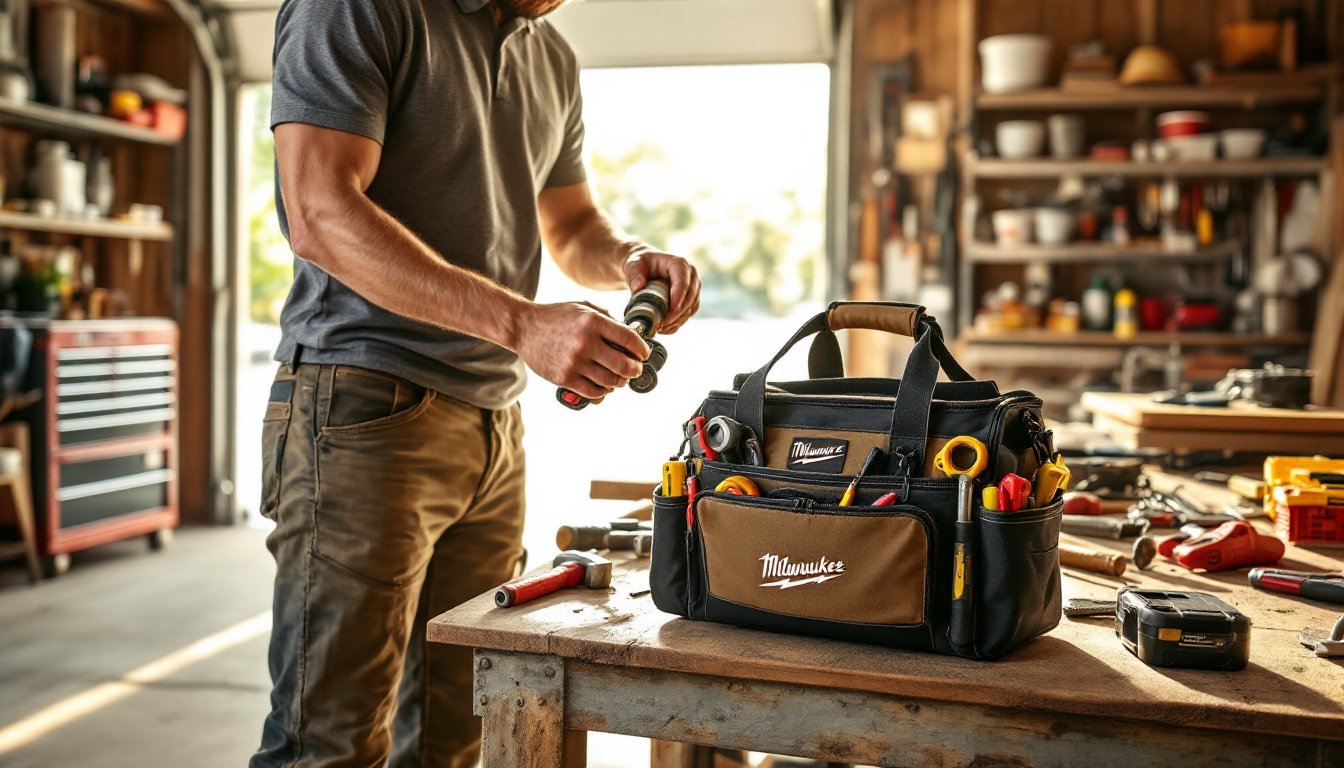
A good tool bag is non-negotiable on the jobsite, or in the garage. It protects your investment, keeps your tools organized, and saves hours hunting for the right wrench mid-project. Milwaukee tool bags have earned a solid reputation among DIYers and professionals alike for standing up to real work without falling apart after a season or two. Whether tackling a weekend remodel or building a serious workshop setup, the right Milwaukee tool bag makes the difference between smooth progress and frustration. This guide walks through the key types, sizes, and features so you can pick the one that actually fits your work style and needs.
Table of Contents
ToggleKey Takeaways
- Milwaukee tool bags come in five main types—canvas, nylon, tote, backpack, and wheeled—each designed for specific job types and workflows, from quick repairs to heavy-duty renovations.
- A medium-sized Milwaukee tool bag (18–24 inches) is the ideal choice for most DIYers and versatile professionals, offering 20–35 pounds of capacity without being cumbersome to carry.
- Durability depends on reinforced bottoms, metal YKK zippers, double-stitched seams, and hybrid construction (canvas uppers with nylon bases) that outlasts budget alternatives by years.
- Organization features like interior dividers, exterior quick-access pockets, and magnetic tool strips reduce project downtime by keeping frequently used items within arm’s reach.
- Regular maintenance—emptying wet bags, wiping tools before storage, checking zippers quarterly, and storing in dry locations—extends your tool bag’s lifespan from three years to a decade or more.
Types of Milwaukee Tool Bags and Their Best Uses
Milwaukee offers several distinct tool bag categories, each built for a different job type and workflow.
Canvas tool bags are the workhorses. They’re lightweight, affordable, and perfect for general carpentry, plumbing, or electrical work where you’re moving between rooms or job sites regularly. The 18-inch and 24-inch canvas aprons are classic, throw them over your shoulder, and you’ve got quick access to small hand tools without the bulk. They wear in nicely and age well, though they’re not waterproof.
Nylon tool bags step up the durability game. Ballistic nylon resists tears and abrasion, making these bags ideal if you’re working around rough surfaces, concrete floors, or job sites with heavy traffic. Milwaukee’s Contractor Bag line uses reinforced nylon bases with canvas uppers, a smart hybrid that handles both punctures and daily abuse. They’re heavier than canvas alone, but they’ll outlast two cheaper alternatives.
Tote and open-top bags work best for short jobs or when you need to grab tools fast. They lack lids, so nothing gets lost at the bottom, and you can see everything at a glance. These suit carpenters who work primarily at one location or in a truck bed.
Backpack-style tool bags are newer and becoming popular with electricians and HVAC techs who climb ladders or work in tight spaces. They distribute weight evenly across both shoulders, reducing strain on your back during long days. Milwaukee’s backpack options feature quick-access side pockets and padded straps, worth the investment if you’re carrying tools all day.
Wheeled tool bags shine when you’re hauling heavy items or working in larger spaces. They’re overkill for small residential projects but indispensable on bigger renovations or multi-floor jobs where walking tools up and down stairs gets old fast.
Choosing the Right Size and Capacity for Your Needs
Size matters, and underestimating your needs is a common mistake that leaves you frustrated by week two.
Small bags (10–16 inches) hold roughly 10–15 pounds of tools and work for single-trade jobs, replacing outlets, minor plumbing repairs, or running cable. They’re portable and don’t tempt you to overstuff, but they’ll feel cramped if you work across multiple trades or keep backup tools on hand.
Medium bags (18–24 inches) are the sweet spot for most DIYers and versatile pros. They hold 20–35 pounds comfortably and have room for a cordless drill, level, tape measure, hammer, saw, and assorted hand tools. A standard 24-inch Milwaukee Contractor Bag fits in most truck cabs and isn’t exhausting to carry to the third floor.
Large bags (26+ inches) and tool totes accept 40+ pounds without straining seams. They’re ideal if you work alone and want to minimize trips between the truck and the job site. The trade-off: they’re heavier when full and harder to move around tight spaces.
Honest advice: measure your core toolkit first. Lay out the tools you use most, add them up, and pick a bag with 10–15 pounds of spare capacity. You’ll fill it eventually, and undersized bags get abused faster as you jam things in.
Consider your job sites too. In a multi-story house or apartment building, a medium canvas apron beats a 40-pound roller every time. On a single-level renovation or outdoor deck project, a larger tote or rolling bag saves your legs.
Key Features to Look For in a Quality Tool Bag
Not all Milwaukee tool bags are created equal, and a few dollars saved upfront often costs more in durability and usability.
Reinforced bottoms prevent punctures and keep tools from rubbing holes through canvas or nylon. Milwaukee uses double-stitched, thickened bases on most bags, a detail that extends lifespan by years.
Quality zippers and closures matter more than they sound. Metal YKK zippers are standard on Milwaukee bags and significantly outlast cheap plastic zippers that jam or strip. If a bag uses plastic zippers, pass.
Padded or ergonomic handles reduce hand fatigue during long carries. Milwaukee often adds neoprene or foam padding to handles on their heavier bags, a small touch that makes a real difference if you’re moving the bag hundreds of times per job.
Organization pockets and dividers keep tools from tangling and make grab-and-go faster. Look for bags with a mix of small exterior pockets (for keys, tape, bits) and deeper interior compartments for larger items. Milwaukee’s compartment design varies by model, so check reviews or photos before buying.
Ventilation or drainage is underrated. If your bag gets wet or sweats in a van, moisture breeds rust and mold. Mesh backing or drainage holes help air flow through the bag and prevent that mess.
Durability and Material Construction
Canvas is traditional for a reason, it’s breathable, affordable, and repairs easily with a needle and thread. 12-ounce canvas is the baseline: thicker (14–16 ounce) canvas lasts longer but weighs more.
Ballistic nylon tops canvas in puncture resistance and water resistance, though it’s heavier and less breathable. Milwaukee blends the two: canvas uppers for ventilation and comfort, nylon bases and corners for abuse-prone areas. This hybrid approach strikes the right balance for most users.
Stitching and seams are where bags fail first. Double-stitching on stress points, handles, bottom seams, pocket attachment, is non-negotiable. Single-stitched bags might look fine in the store but unravel within a season of real use.
Metal vs. plastic hardware (grommets, D-rings, hardware loops): metal always wins. It doesn’t degrade in sunlight, doesn’t snap under load, and won’t crack when your bag bounces in a truck bed. Milwaukee uses brass or powder-coated steel across their lineup, a sign of quality.
Organization and Accessibility
A disorganized tool bag burns time and frustrates you. Good design keeps tools visible and within arm’s reach.
Tool aprons and belt bags excel at accessibility. You’re never more than a quick reach from your most-used items, and they keep your hands free. The downside: they don’t scale beyond 10–15 tools, so they work best paired with a larger bag or kept in the truck.
Interior dividers prevent tools from piling into a jumble at the bottom. Milwaukee’s Contractor Bags include several internal pockets, which saves rummaging. Some bags also feature a large middle section with a tool roll or tool organizer insert, useful if you want to customize your layout.
Exterior quick-access pockets let you stash frequently used items (tape measure, flashlight, utility knife) without opening the main bag. Look for at least 3–5 exterior pockets on any bag over 20 inches.
Magnetic tool strips and loops on the interior or exterior keep metal tools (wrenches, drill bits, screwdrivers) from wandering. Milwaukee integrates these on mid-range and higher bags, cutting search time significantly.
Open-top vs. zippered bags: open-top bags sacrifice weather protection but win on speed. You see everything and grab tools faster. Zippered bags keep dust, debris, and moisture out, essential if your bag lives in a truck bed or garage. Most DIYers benefit from a zippered bag since tools sit unused between jobs.
Maintenance Tips to Extend Your Tool Bag’s Lifespan
A $60 tool bag lasts a decade with light care, or three years of hard neglect. Small habits make the difference.
Empty and dry after wet work. Moisture breeds rust on metal tools and mold inside canvas or nylon. If your bag gets soaked, leave it open in the sun or use a fan to dry the interior fully before storing.
Wipe down tools before storing in the bag, especially in humid climates. Sawdust, concrete dust, and moisture accelerate rust. A quick dry cloth saves you from finding corroded wrenches months later.
Don’t overstuff. A bag crammed beyond capacity stresses seams and zippers. If tools don’t fit comfortably, it’s time for a second bag or a trip to thin out your collection.
Check zippers and seams quarterly. Stuck zippers often respond to graphite powder or PTFE lubricant (not oil, it attracts dust). Early stitching damage can be hand-stitched or machine-patched before it spreads.
Spot-clean canvas or nylon with a damp cloth and mild soap. Abrasive scrubbing or pressure washing damages fibers and wears out finishes faster. For stubborn stains, let soapy water soak for 10 minutes before wiping.
Store in a cool, dry place. Direct sunlight fades nylon and canvas and weakens fibers over time. Basements or shaded corners in a garage are ideal. Avoid damp areas like unheated sheds, which invite mold.
Inspect handles and straps regularly. Wear shows first at stress points. If padding is flattening or straps are fraying, reinforcing them early with needle and thread prevents complete failure.
Conclusion
The right Milwaukee tool bag cuts down on wasted time, protects your tools, and actually makes projects feel more organized. Focus on size, medium is usually right for DIYers, and don’t cheap out on seams, zippers, or material quality. A solid bag with reinforced nylon or hybrid canvas construction costs a little more upfront but outlasts three budget alternatives. Keep it dry, don’t overload it, and it’ll be there for the next job and the one after that. That’s a tool investment worth making.