Think about the brands you follow online. Maybe it is a clothing company, a travel brand, a home décor page, or even a wellness influencer. Chances are, the posts that make you stop scrolling are not static photos. They are videos.
Lifestyle brands today are no longer just selling products. They are selling an experience.
People do not buy a coffee mug simply because it holds coffee. They buy it because they imagine slow mornings in a cozy kitchen. They do not buy travel gear just for practicality. They buy the feeling of adventure.
That emotional connection is exactly why video has become one of the most powerful tools for lifestyle brands.
Unlike a single photograph, video tells a story. It shows movement, emotion, and context. A short video might show someone preparing breakfast in a beautiful kitchen, enjoying a quiet moment in a stylish living room, or exploring a scenic destination with friends.
These small moments help viewers imagine how a product fits into their everyday life.
And that imagination is what turns interest into engagement.
Social media platforms have accelerated this shift toward video. Algorithms on platforms like Instagram, TikTok, and YouTube prioritize video content because it keeps viewers watching longer than static images.
For brands, this means video is no longer just an optional marketing tool. It has become essential.
When lifestyle brands create video content, they are not just promoting a product. They are building a narrative around how their brand fits into real life.
This storytelling approach helps audiences feel emotionally connected to the brand.
Another reason video performs so well is authenticity. Today’s audiences want transparency. They want to see the people behind the brand, the process behind the product, and the story behind the design.
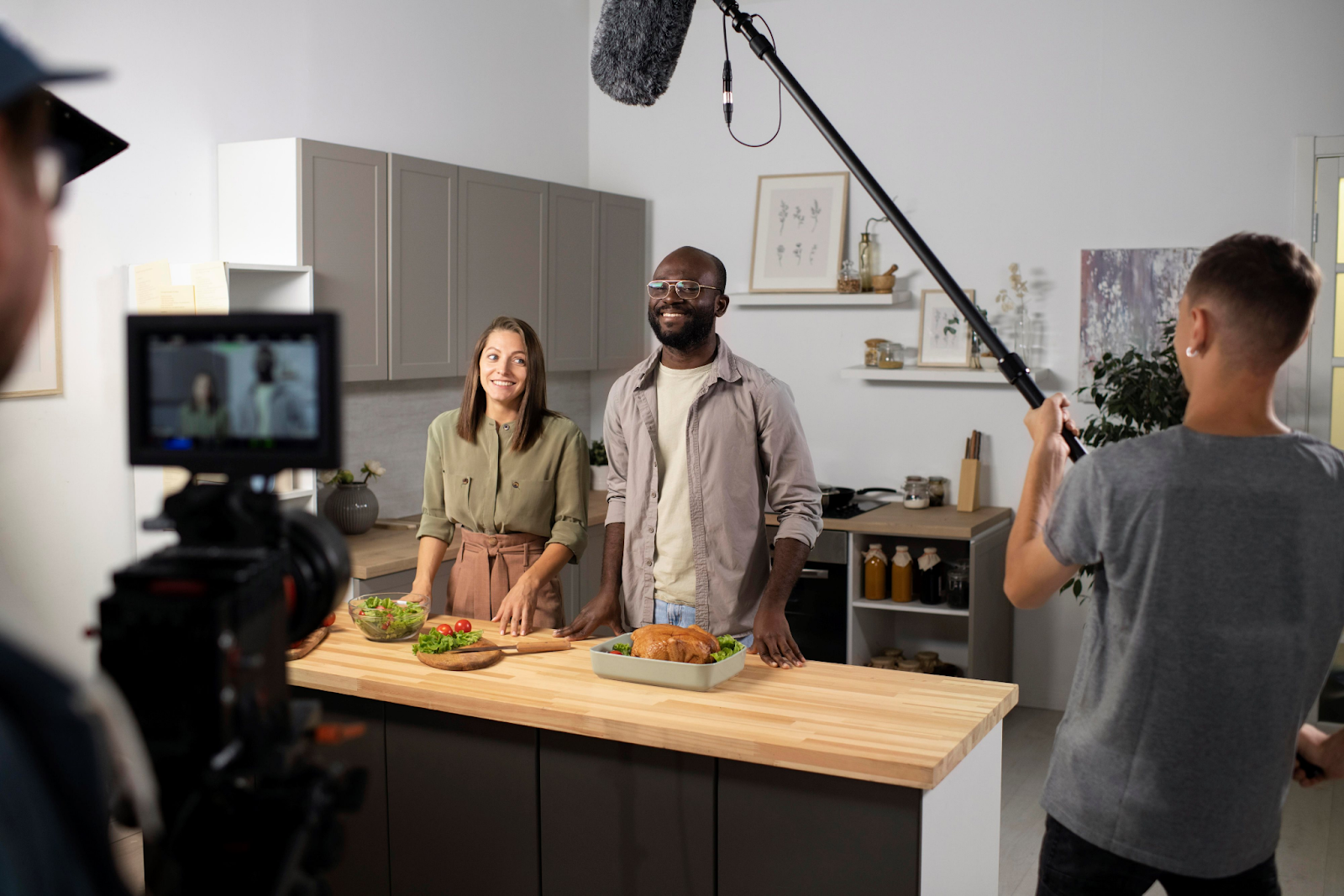
This is why behind-the-scenes videos have become increasingly popular. A short clip showing how a product is designed or manufactured can be incredibly engaging.
It gives viewers a glimpse into the brand’s world.
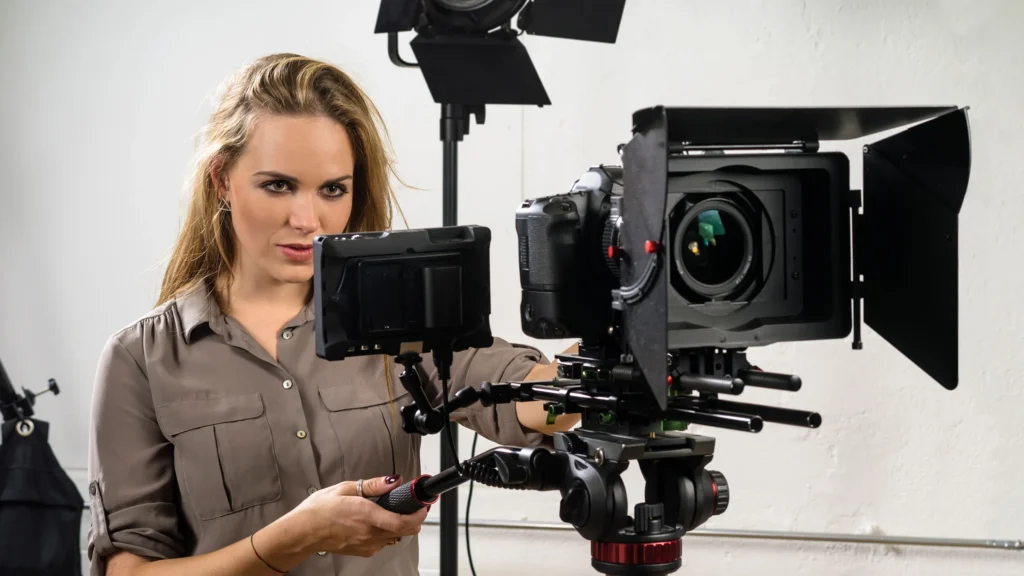
Creating these types of visual stories often requires collaboration with professionals who specialize in video production services. Experienced teams understand how lighting, camera movement, and editing techniques can transform simple scenes into visually compelling narratives.
Creative production studios such as Peak 3 Visuals help lifestyle brands craft cinematic content that reflects the brand’s identity and aesthetic.
These videos often combine storytelling, beautiful visuals, and subtle product placement in ways that feel natural rather than promotional.
Video also allows brands to communicate personality. Some lifestyle brands focus on minimalism and calm aesthetics, while others highlight adventure, creativity, or humor.
Through video storytelling, these personalities become part of the brand identity.
And personality is what audiences remember.
Another advantage of video is versatility. A single production session can produce multiple pieces of content that can be used across social media platforms, websites, digital advertisements, and marketing campaigns.
This flexibility allows brands to maintain consistent storytelling across multiple channels.
As competition continues growing in the digital marketplace, standing out has become increasingly challenging. Consumers are exposed to thousands of marketing messages every day.
Video helps brands break through that noise.
When viewers see real people using products in authentic situations, the brand feels more relatable. It becomes less about selling and more about sharing experiences.
And that shift makes all the difference.
Lifestyle brands that invest in visual storytelling are not simply promoting products. They are building communities around shared interests, values, and experiences.
In today’s digital landscape, the brands that tell the most engaging stories are the ones people remember.
And video is the most powerful way to tell those stories.