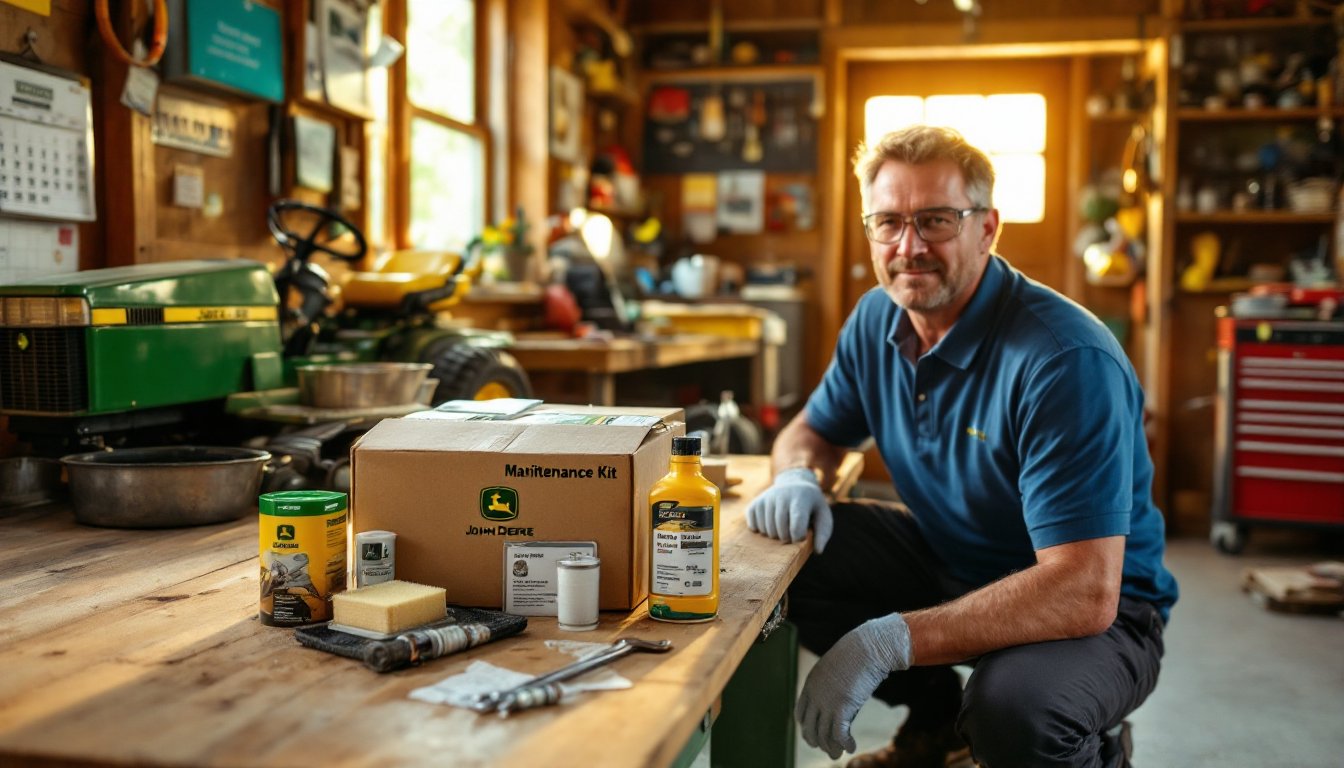
Homeowners who rely on John Deere equipment know that regular maintenance is the difference between a mower that runs strong for a decade and one that quits mid-season. A John Deere home maintenance kit bundles the essentials, filters, oils, spark plugs, and belts, into a convenient package designed specifically for residential lawn and garden equipment. Rather than hunting down parts individually or guessing which specifications fit their model, owners can grab a kit and tackle routine upkeep with confidence. This guide walks through what these kits contain, why they matter, and how to use them to keep John Deere equipment performing reliably year after year.
Table of Contents
ToggleKey Takeaways
- A John Deere home maintenance kit bundles essential components like filters, oils, spark plugs, and belts into a convenient package specifically engineered to match your equipment model and year.
- Official maintenance kits cost only slightly more than buying parts separately while ensuring warranty coverage protection and reducing installation errors that could damage your engine.
- Follow a straightforward maintenance procedure: cool the engine, change the oil, replace the air filter, install spark plugs, and replace fuel filters as included in your kit.
- Seasonal maintenance is critical—perform spring pre-season servicing, check components monthly during summer use, and complete end-of-season tasks in fall to prevent equipment failure.
- Consistent use of official John Deere kits extends equipment life to 10+ years, while neglected or improperly serviced equipment typically fails within 3–5 years.
- Store equipment indoors, drain fuel before long storage, and change oil more frequently in dusty conditions to maximize the benefits of your maintenance routine.
What’s Included In A John Deere Home Maintenance Kit
A typical John Deere home maintenance kit varies by model and intended purpose, but most residential packages share core components. The kit usually includes an air filter, oil filter, a quart or two of engine oil (SAE 10W-30 or 5W-30, depending on climate), spark plug(s), and sometimes a fuel filter or belt. Some kits also contain a replacement oil drain plug gasket and a dipstick for checking oil level. A few deluxe packages add lubricants like grease for deck hinges and spindles, plus a small brush or cloth for cleanup.
The exact contents depend on whether the kit is meant for a walk-behind mower, a lawn tractor, a zero-turn-radius mower, or a garden tiller. Walk-behind mower kits tend to be simpler and less expensive, while tractor kits may include heavier-duty filters and more oil. Always check the kit’s label or the John Deere website to confirm it matches the equipment’s model number and year. A kit labeled for a 2024 LT166 lawn tractor won’t work properly on a 2022 model: specifications can shift between production years.
Why Use An Official Maintenance Kit
Buying an official John Deere maintenance kit, rather than sourcing filters and fluids separately, offers real advantages. First, all parts are engineered to match the equipment exactly. An aftermarket air filter might be cheaper but could fit loosely or restrict airflow inefficiently, leading to harder starting and reduced performance. Official kits eliminate guesswork about part numbers, torque specifications, and fluid types.
Second, these kits typically cost only slightly more than buying equivalent parts separately, especially when you factor in the convenience of not having to locate multiple suppliers. A homeowner saves a trip to the shop or a half-hour of online research. Third, using approved parts often supports the equipment’s warranty coverage. If the engine fails and it turns out an off-brand filter allowed dirt into the combustion chamber, John Deere may deny a claim. Finally, official kits come with clear instructions matched to the specific model, reducing the risk of installation errors that could damage the engine or void the warranty.
How To Use Your Maintenance Kit For Lawn Mowers
Using a John Deere home maintenance kit on a lawn mower is straightforward but demands attention to detail. Before opening anything, gather a clean, flat workspace, a garage floor or workbench works well. Read through the included instructions first: they’re model-specific and contain torque values and assembly notes you’ll need.
Here’s the basic procedure:
- Shut off the engine and let it cool for 10 minutes. Never work on a hot engine.
- Change the oil (if included). Locate the drain plug, position a drain pan underneath, loosen and remove the plug, and let oil drain fully, at least 5 minutes. Replace the drain plug gasket if the kit includes one, reinstall the plug (tighten by hand, then snug with a wrench, don’t over-tighten), and fill with fresh oil to the full mark on the dipstick.
- Replace the air filter. Remove the filter cover or housing (usually held by a clips or a single bolt), slide out the old filter, and insert the new one, making sure it seats evenly. Reinstall the cover.
- Install the spark plug (if applicable). Remove the wire or coil pack, unscrew the old plug, gap the new one if required (the kit instructions specify), thread in the new plug by hand, then tighten gently with a socket wrench.
- Replace the fuel filter (if included). Some mowers have an inline filter: turn the fuel valve off, loosen the hose clamps, slide out the old filter, and install the new one with the flow arrow pointing toward the carburetor.
Safety gear is essential: wear nitrile gloves to keep oil off your hands, safety glasses to protect eyes from debris, and keep a shop rag nearby. If you’re unsure about any step, particularly on a tractor or larger equipment, don’t hesitate to watch a model-specific video tutorial or contact your local John Deere dealer.
Seasonal Maintenance Checklist
Lawn mower and tractor maintenance varies slightly with the season. A John Deere home maintenance kit covers many spring and fall tasks, but a full checklist ensures nothing slips through the cracks.
Spring (Pre-season):
- Drain and replace old oil.
- Install a fresh air filter.
- Add new spark plug(s).
- Check tire pressure and tread (on tractors).
- Inspect the cutting deck or blade for damage and clean debris.
- Top off fuel with fresh gasoline (old fuel can gum up the carburetor).
Summer (In-season):
- Check oil level every few mowing sessions: top up if needed.
- Inspect the air filter monthly: replace if clogged.
- Clean the cutting deck after each use to prevent rust and grass buildup.
Fall (End-of-season):
- Drain and replace oil one final time.
- Install a fresh spark plug and air filter.
- Replace the fuel filter and run fuel stabilizer through the tank to prevent winter gum-up.
- Sharpen or replace dull cutting blades.
- Cover the equipment or store it indoors to protect from moisture and cold.
A second maintenance kit purchased in fall ensures you have all parts ready for winter storage and spring restart. This approach prevents the frustration of discovering a failed engine or clogged carburetor after the equipment has sat idle for months.
Extending The Life Of Your Equipment
Consistent maintenance using official John Deere kits is the single best way to extend equipment life. A lawn mower that receives fresh oil, clean filters, and new spark plugs every season will run reliably for 10+ years. One that’s neglected or serviced with mismatched parts often fails within 3–5 years.
Beyond kit components, adopt these habits: Change oil more frequently in dusty conditions. If the property has sandy soil or runs near gravel driveways, replace oil and air filters every 25–30 operating hours instead of the standard 50–100 hours. Store equipment indoors or under a cover. Moisture and temperature swings accelerate rust and component failure. Drain fuel before long storage. Stale fuel leaves varnish deposits in the carburetor, often requiring a professional cleaning. Keep the cutting deck clean. Dried grass harbors moisture and promotes corrosion.
When equipment does need repair beyond the maintenance kit scope, like a cracked block, failed transmission, or major component replacement, that’s time to contact a certified John Deere technician. Attempting advanced repairs without proper training risks safety and may void the warranty.
Conclusion
A John Deere home maintenance kit is a practical investment that keeps residential equipment running efficiently and safely. By choosing an official kit matched to the specific model, following the included instructions carefully, and sticking to a seasonal maintenance schedule, homeowners avoid costly repairs and extend equipment life significantly. The kit pays for itself in reliability and convenience, well worth the modest cost compared to replacing a failed mower or tractor.