In 2026, style is no longer defined only by what people wear, buy, or decorate with. It is increasingly shaped by how brands communicate identity, aspiration, and relevance in a fast-moving digital world.
Lifestyle audiences today are visually sophisticated. They discover trends through social platforms, evaluate brands through content quality, and often decide what feels desirable based on storytelling rather than products alone. For modern fashion, beauty, décor, and lifestyle brands, this means aesthetics are no longer enough. Presentation has become strategy.
For readers of styledfresh.com, this shift is especially important because lifestyle trends are now deeply connected to visual culture. The brands capturing attention are not simply offering products. They are creating experiences, narratives, and digital identities that feel authentic, elevated, and shareable.
This is why visual storytelling has become one of the most influential business investments for modern lifestyle brands.
The Digital Evolution of Lifestyle Branding
A decade ago, branding often centered on polished campaigns, celebrity endorsements, and traditional advertising. While those strategies still exist, today’s most influential lifestyle brands succeed by creating consistent visual ecosystems.
Consumers now engage through:
- Instagram Reels
- TikTok storytelling
- YouTube brand experiences
- Digital lookbooks
- Interactive product visuals
This means lifestyle brands must continuously communicate who they are, what they represent, and why they matter across multiple visual platforms.
In this environment, storytelling is not optional. It is the foundation of perception.
Why Consumers Buy Into Stories Before Products
Modern buyers are increasingly values-driven and emotionally influenced.
People often connect with:
Brand storytelling elements:
Does the brand align with personal style?
Does it represent the lifestyle they want?
Does the content feel authentic?
Does it fit modern trends and expectations?
This is why two similar products can perform very differently based on how they are presented.
Visual storytelling creates emotional context, which often drives stronger loyalty than features alone.
Lifestyle Content Is Becoming More Cinematic
In 2026, audiences expect more than curated product photos.
They are drawn to:
High-performing content formats:
Humanizes the brand
Connects products to everyday aspiration
Creates movement, emotion, and memorability
Shows how products fit into real life
For example, fashion brands are increasingly using location-based visuals, architectural backdrops, and immersive content to create stronger narrative depth.
This is why many modern companies collaborate with Peak 3 Visuals and similar creative teams to elevate branded storytelling through polished visual execution.
The Role of Drone and Premium Media in Lifestyle Branding
Drone media is no longer limited to real estate or tourism.
Luxury lifestyle brands, hospitality companies, wellness retreats, and fashion campaigns are using aerial visuals to create broader narrative experiences.
Drone content can enhance:
- Resort and destination branding
- Luxury event campaigns
- Outdoor fashion editorials
- Premium product launches
- Experiential lifestyle content
For brands that want to position themselves as elevated or aspirational, commercial visual storytelling can offer a unique competitive edge by blending atmosphere with strategic branding.
Social Media Is Accelerating Visual Expectations
Platforms evolve quickly, but one thing remains clear: brands that visually engage audiences consistently outperform those that do not.
In 2026, lifestyle trends are shaped through:
Platform-specific influence:
Trend acceleration and cultural visibility
Aesthetic authority
Purchase inspiration
Long-form trust and brand immersion
This means every visual asset contributes to perception.
From campaign photography to motion-based storytelling, strong content increasingly determines whether a brand feels current or forgettable.
Why Visual Consistency Builds Premium Perception
Premium brands are often recognized not by price point alone, but by consistency.
Visual consistency across:
- Photography
- Color palette
- Video style
- Social presence
- Website design
…creates trust and authority.
For lifestyle businesses, this can directly influence:
Strategic outcomes:
- Brand loyalty
- Audience growth
- Higher perceived value
- Better engagement
- Market differentiation
As competition increases, brands that look cohesive often feel more credible.
The Rise of Experience-Driven Marketing
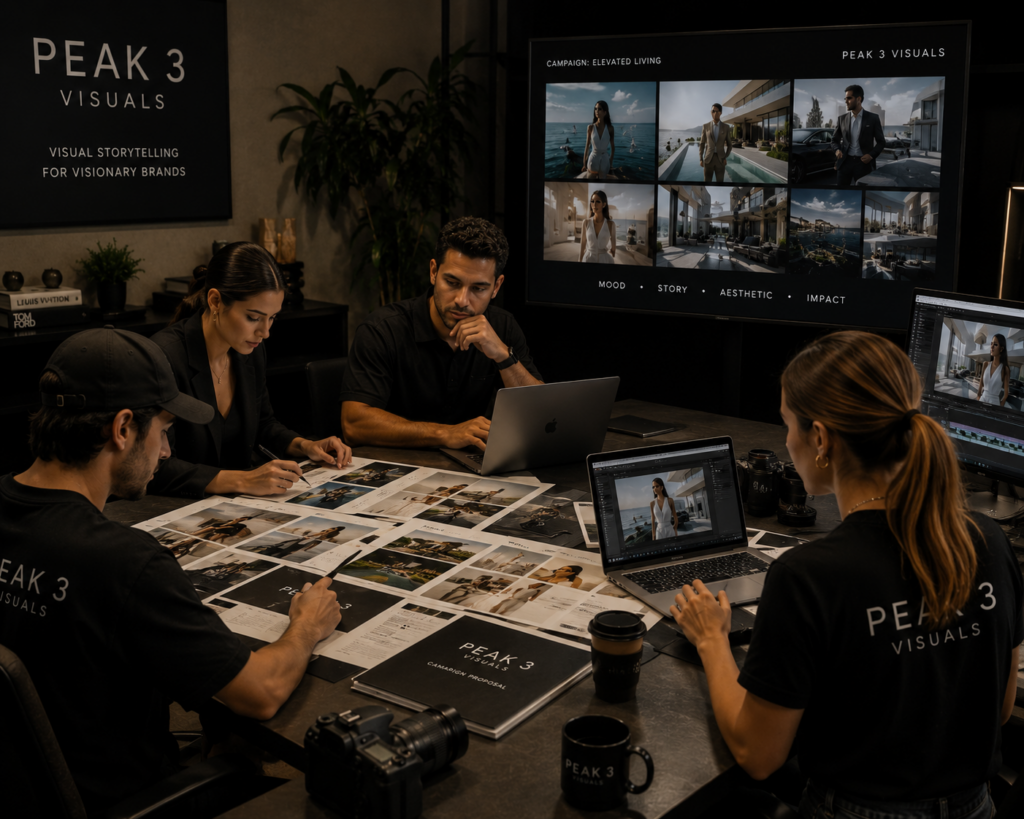
Modern consumers increasingly prioritize experiences over transactions.
This has influenced:
2026 lifestyle branding trends:
Mindful and aspirational living
Ethical choices with elevated design
Trust through relatable influence
Video-first digital experiences
Brands are now selling not only products but also belonging, identity, and aspiration.
Why Professional Media Services Are Becoming Essential
As visual competition grows, many lifestyle brands are recognizing that low-quality content can weaken perception.
Professional visual assets can strengthen:
- Campaign effectiveness
- Brand memorability
- Product appeal
- Consumer trust
- Social performance
This is why more businesses are turning to specialists in high-quality aerial videography and strategic media production when building larger campaigns or premium visual identities.
The Future of Lifestyle Branding
Looking ahead, visual storytelling will continue to evolve through:
Emerging innovations:
- AI-enhanced campaign personalization
- Interactive shopping visuals
- FPV brand experiences
- Mixed reality storytelling
- Community-led digital narratives
The brands that thrive will be those that adapt quickly while maintaining authenticity.
Final Thoughts
In 2026, lifestyle branding is no longer about simply being stylish. It is about creating compelling visual narratives that align with modern culture, digital behavior, and emotional connection.
For styledfresh.com readers, this reflects a broader truth about where fashion, design, and lifestyle industries are heading.
The brands winning attention today are not just producing products. They are shaping experiences through thoughtful storytelling, strategic media, and elevated presentation.
From social campaigns to cinematic content, visual storytelling has become one of the clearest indicators of relevance in a crowded marketplace.
The future belongs to brands that know how to look good, communicate meaning, and remain unforgettable.
FAQ Section
1. Why is visual storytelling important for lifestyle brands?
It helps brands create emotional connection, build trust, and communicate identity more effectively.
2. How does premium visual content impact brand growth?
High-quality media improves perception, engagement, and audience loyalty.
3. Can drone media work for lifestyle branding?
Yes, drone visuals can enhance luxury, travel, wellness, and experiential campaigns.
4. What platforms matter most for lifestyle brands in 2026?
Instagram, TikTok, Pinterest, and YouTube remain highly influential.
5. Why are more brands investing in professional media?
Strategic visual assets help brands stay competitive, memorable, and culturally relevant.